Government steps up engagement on illegal migration
Government will work with the Zulu royal delegation and civil society organisations to tackle illegal migration, reclaim hijacked state-owned buildings, and strengthen immigration law enforcement.


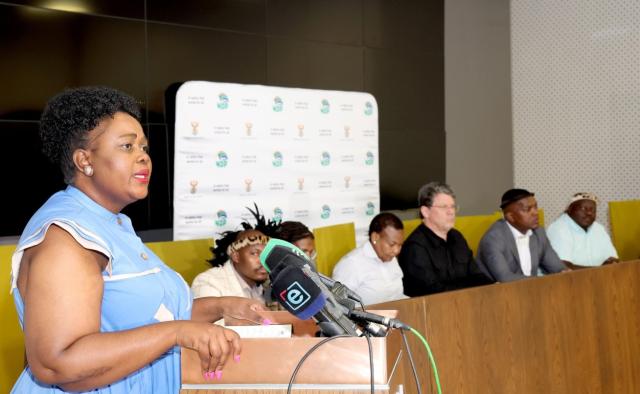
Government will work with the Zulu royal delegation and civil society organisations to tackle illegal migration, reclaim hijacked state-owned buildings, and strengthen immigration law enforcement.

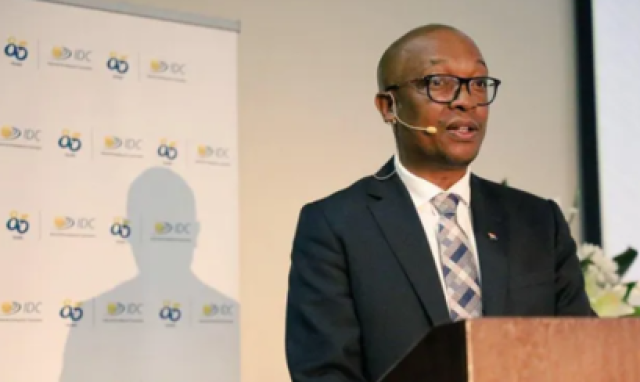

South Africa’s pursuit of sustained and inclusive economic growth requires a deliberate focus on industrialisation, with Special Economic Zones (SEZs) playing a central role in attracting investment, expanding productive capacity and creating employment opportunities.
By Nomonde Mnukwa
October provides an important opportunity to reflect on the interconnected responsibilities of government and society.
For millions of South Africans, the green barcoded identity book represents an important part of our history and heritage. For decades, this small paper booklet, with its laminated photograph, was the primary document used to prove who you were. This booklet, which became synonymous with our democracy, was proudly brandished by the millions who stood in line to vote during the first democratic election in 1994.
Artificial intelligence (AI) is changing cybercrime. The tools that can help us work smarter, communicate faster, and solve complex problems can also be exploited to deceive, manipulate, and defraud us on an unprecedented scale.
South Africa stands at an important crossroads. As we confront the realities of climate change, rising resource costs, unemployment and increasing pressure on municipal waste systems, we face a simple choice: continue with an outdated economic model that treats resources as disposable, or embrace a circular economy that transforms waste into opportunity.
Four professionals connect South African public-sector experience with global governance at the MGG Academy in Bonn, Germany, writes Dr Izimangaliso Malatjie.

South Africa commemorates Freedom Month.