Hlabisa urges municipalities to convene councils by 27 November
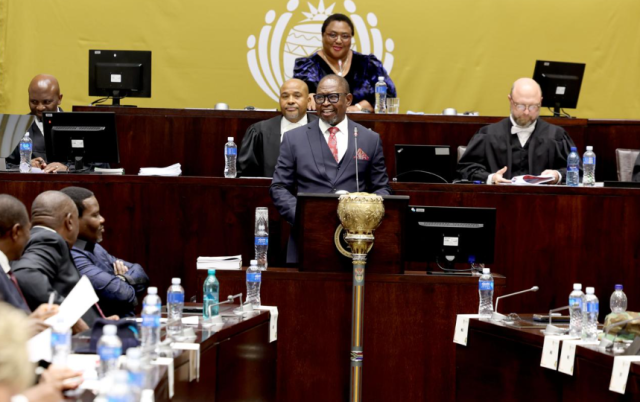
Cooperative Governance and Traditional Affairs Minister Velenkosini Hlabisa has urged local and metropolitan municipalities to convene their newly elected councils by 27 November 2026.


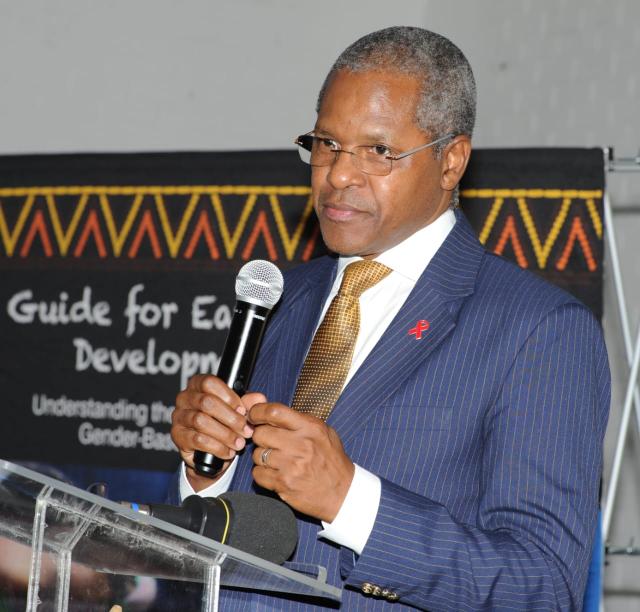
Cooperative Governance and Traditional Affairs Minister Velenkosini Hlabisa has urged local and metropolitan municipalities to convene their newly elected councils by 27 November 2026.



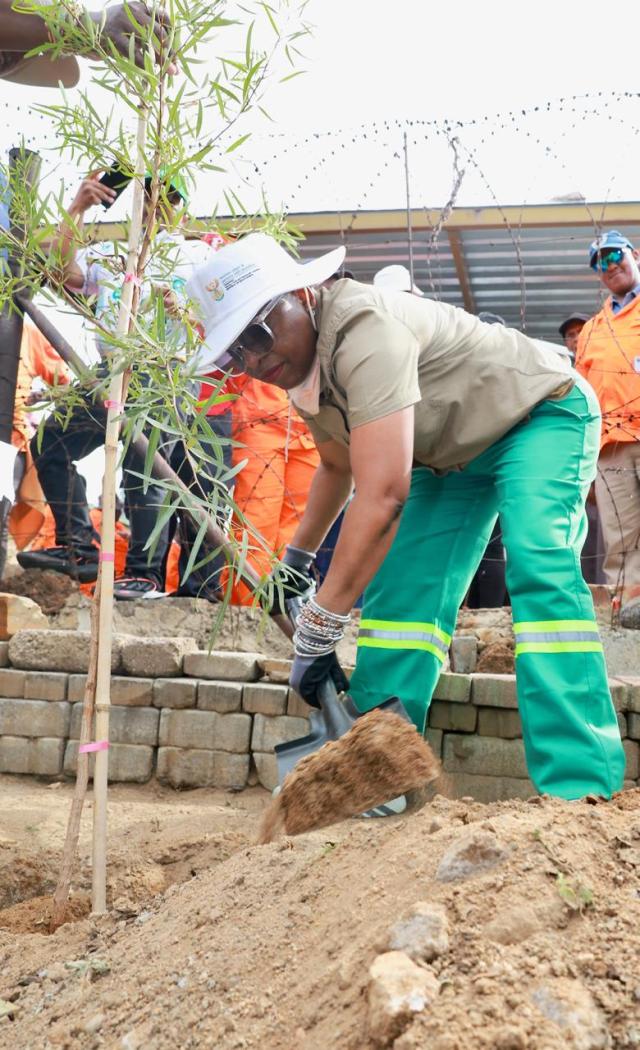
With South Africa continuing to face high levels of unemployment, the Department of Forestry, Fisheries and the Environment (DFFE) remains committed to creating economic opportunities for women, young people and persons with disabilities. This commitment is in line with one of the core pillars of President Cyril Ramaphosa’s Government of National Unity (GNU), which places inclusive economic growth and job creation at the centre of the government’s work.
The Mpumalanga province has powered South Africa for generations. Today, the province stands at the centre of the country’s Just Energy Transition, well placed to lead the way in building the skills and industries of a modern, diversified economy.
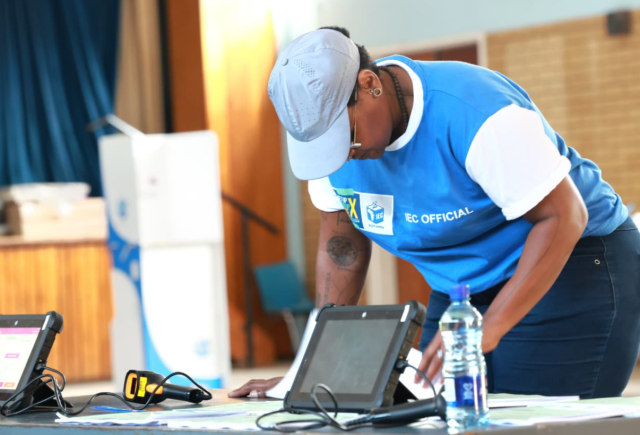
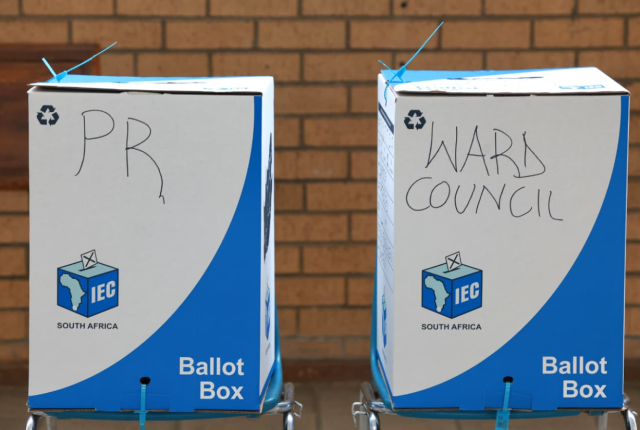
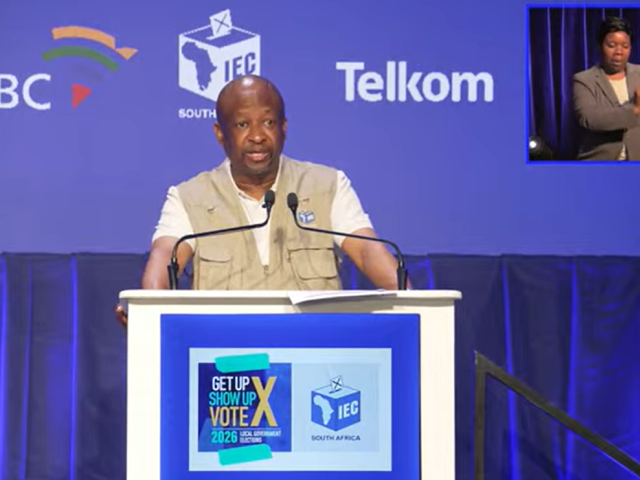
As South Africans prepare to vote on 4 November 2026 in the 2026 Local Government Elections, each eligible voter has an opportunity and a responsibility to help shape their community's future. The mark on a ballot paper may be small, but it carries profound meaning. It is a peaceful expression of our democratic will and active citizenship, and a direct contribution to local government.
Since the dawn of democracy in 1994, South Africa has made remarkable strides in advancing constitutional rights, widening access to education and healthcare, extending social protection, and opening doors for millions who were excluded under apartheid.
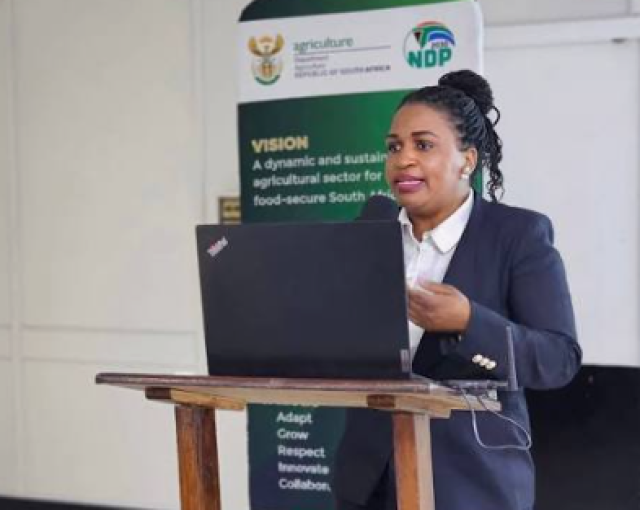
South Africa faces a troubling contradiction. Despite having a productive agricultural sector and food available through domestic production and imports, many households still struggle to access adequate food.
When President Cyril Ramaphosa initiated a new, coordinated, single-planning dispensation in intergovernmental relations—the District Development Model (DDM) — in 2019, many critics rejected it as nothing more than another layer of coordinating structures. They argued that it risked duplicating existing systems and undercutting local government autonomy without solving core administrative weaknesses.

South Africa commemorates Freedom Month.