


Nelson Mandela Bay Municipality has activated and is implementing a comprehensive Drought Mitigation Plan as dam levels supplying the metro approach critical levels, following the declaration of a national disaster in the Eastern Cape.
In February 2026, the National Disaster Management Centre classified the drought affecting the province, including Nelson Mandela Bay, as a national disaster in terms of Section 23 of the Disaster Management Act (Act 57 of 2002).
The declaration underscores the severity of the water crisis and enables coordinated national support measures.
Against this backdrop, the combined dam levels supplying Nelson Mandela Bay Municipality are now on the brink of dropping below the critical 40% threshold.
According to the municipality, as of 16 March 2026, the metro’s combined dam levels stood at 40.29%, dangerously close to levels where water security becomes severely constrained.
Approximately 10% of total dam capacity is classified as dead storage and cannot be accessed through conventional abstraction systems.
This marks a sharp decline compared to the same period in 2025, when combined dam levels were at 73.85%.
The metro’s largest dam, Impofu Dam, has dropped from 55.86% last year to approximately 39%, a direct consequence of below average rainfall amidst the prolonged drought conditions plaguing the region.
Water consumption remains significantly above sustainable levels, further compounding the challenge.
“The city is currently consuming 373 million litres per day, approximately 93 million litres above the allocated limit, placing additional strain on already depleted water resources,” the municipality said.
Municipal officials warned that if consumption patterns are not urgently reduced, the city could face severe supply constraints less than three years after the devastating drought that nearly brought the metro to day zero.
In response, the municipality’s Drought Mitigation Plan outlines a series of emergency interventions aimed at stabilising supply while reducing consumption.
Key measures include upgrades to infrastructure to maximise available water from existing sources, improvements to pump stations, and expansion of the Nooitgedagt Water Treatment Works to reduce pressure on western dam systems.
The plan also includes the development of additional groundwater sources through strategic wellfields, implementing treated effluent reuse and alternative supply options, and accelerating pipeline rehabilitation and system upgrades to improve efficiency across the metro.
Efforts to improve system efficiency are being accelerated through pipeline rehabilitation and upgrades, while water conservation and demand management initiatives are being intensified.
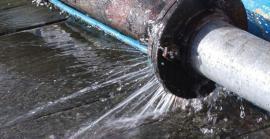
These include pressure management, leak detection and repairs, bulk metering, and expanded public awareness campaigns to curb consumption.
The municipality has already invested more than R80 million in the current financial year to refurbish pipelines, rehabilitate pump stations, and appoint plumbing contractors to repair leaks and improve system performance.
Nelson Mandela Bay Municipality Executive Mayor, Babalwa Lobishe, said the drought declaration reinforces the urgency of the situation and the need for collective action.
“Water security remains one of the most critical priorities for our metro. The investment we are making in infrastructure upgrades and drought mitigation interventions demonstrates the seriousness with which we are addressing this challenge. However, infrastructure alone will not resolve the crisis if water consumption remains this high,” Lobishe said.
She called on residents, businesses and institutions to drastically reduce water usage.
The mayor also called for collective action across society, including political parties and civil society, to work together with the municipality in responding to the water crisis.
“Water security is a shared responsibility. By adopting a water saving lifestyle and reducing unnecessary consumption, we can collectively protect this critical resource and ensure that Nelson Mandela Bay continues to function during this difficult period,” she said. – SAnews.gov.za


