


By Kenny Morolong
Not so long ago, the ability to share information with large audiences was limited to a small group of people, such as journalists and broadcasters. Today, digital platforms have flipped the script, giving anyone with a smartphone and internet the power to reach a global audience.
This shift has broken down old barriers, allowing anyone, anywhere, to join the conversation instantly. It has also widened access to global knowledge, showcased creativity to millions, and created new economic opportunities.
For governments, these platforms are powerful tools to connect with citizens directly. In South Africa, government is increasingly embracing the digital sphere to keep people informed about policies and services that affect their daily lives. Through social media, communication is becoming faster and more responsive.
Government Communication and Information System (GCIS) has already moved publications to a digital-only format to extend their reach and launched podcasts to reach a younger, more mobile audience. Through WhatsApp channels it sends news and job opportunities straight to citizens' pockets. Moving forward, GCIS will expand high-impact tools like GoZA TV and zero-rated data services to ensure every South African stays informed without the barrier of data costs.
While digital infrastructure spreads important information and creates economic opportunities, it can also act as a megaphone for misinformation and disinformation. A single post can reach millions in seconds making it difficult to keep up with content that moves faster than it can be checked. Moreover, by choosing what shows up on our screens through algorithms, these platforms have a powerful influence over how we understand the world. The rapid spread of harmful information is one of the biggest challenges for our society.
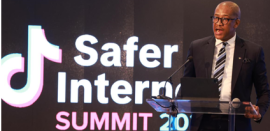
This reality was the focus of the TikTok Safer Internet Summit held on 9 and 10 March 2026 in Nairobi, Kenya where African leaders and technology companies met to build safer online environments. South Africa had joined these talks to advance responsible governance and improve transparency. The summit highlighted that digital safety cannot be the responsibility of governments alone; it requires collaboration between tech companies, educators, and civil society to protect online communities.
Across the continent, encouraging steps are being taken, such as the African Union and TikTok launching the #SaferTogether campaign to equip youth with digital tools. In this new world, knowing how to use the internet safely is essential. It requires specific skills to check sources, verify facts, and spot misleading content. This aligns with the African Union’s Digital Transformation Strategy, which recognises that a connected continent must also be a safe one.
At the same time, tech companies must act more responsibly. Their systems should not just optimise for clicks; they should be built to discourage the spread of lies and harmful content. Greater transparency regarding how a specific story shows up on our feed is a major step toward making the internet a more honest and reliable space.
To make digital literacy work, governments and schools must join forces with tech companies to reach as many people as possible, especially the youth. This effort is not about silencing voices rather it is about responsible stewardship of the digital world. The goal is to ensure the internet remains a helpful space where everyone has the tools to navigate information safely.
The task before us is to ensure that these powerful networks serve humanity rather than destabilise it. The narratives that are circulating through our digital systems every day are doing more than just filling time they are actively shaping the future of our societies.
*Morolong is the Deputy Minister in the Presidency


