


By Moahlodi Maphori
Protecting livelihoods and safeguarding jobs in South Africa’s sugar industry remains a key priority for government. The sector is a strategically important agricultural and agro-processing value chain, supporting more than 20,000 direct jobs across milling and cane-growing operations, while sustaining thousands of additional livelihoods in rural communities in KwaZulu-Natal and Mpumalanga.
The industry continues to operate under severe pressure from challenging domestic and international market conditions, including the impact of cheap imports, rising input costs, and structural inefficiencies within parts of the value chain. These pressures have placed strain on mills and growers alike, with the risk of operational disruptions that could negatively affect employment, rural economies, and associated downstream industries.
Government has remained clear that intervention is necessary not only to stabilise the sector, but to reposition it for long-term sustainability. South Africa’s broader economic trajectory is showing signs of improvement, driven by deliberate structural reforms aimed at restoring policy certainty, improving infrastructure performance, and strengthening investor confidence. However, the economy remains exposed to external shocks and internal capacity constraints, requiring sustained and targeted interventions in key productive sectors such as sugar.
Recently, the Deputy Minister of Trade, Industry and Competition, Mr Zuko Godlimpi, undertook a visit to a sugar mill in KwaZulu-Natal in preparation for the reopening of the 2026 sugarcane crushing season in May. This engagement forms part of government’s ongoing efforts to monitor readiness across the value chain and support operational stability ahead of the new season.
The reopening of the Gledhow Mill follows a R1.8 billion expansion investment by its new owners, signalling renewed confidence in the sector. The investment commitment was made as part of the Presidential Investment Conference held on 31 March 2026 in Sandton. The mill’s return to full operations also marks a significant turnaround following its placement under business rescue during 2023/24.
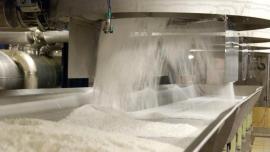
Gledhow Mill, which includes a back-end refinery, is currently undergoing a major off-crop maintenance programme to ensure operational efficiency and readiness for the upcoming crushing season. This reinforces the importance of reinvestment and technical revitalisation in strengthening the competitiveness of the sector.
In addition, Deputy Minister Godlimpi has signed off on Phase 2 of the Sugarcane Value Chain Master Plan to 2030, marking a decisive shift from stabilisation towards transformation, diversification, and growth. The Master Plan, developed through a social compact between government, industry, labour, and civil society, remains the central framework guiding the long-term sustainability of the sector.
This phase focuses on repositioning the sugar industry into a more resilient and diversified value chain. A key priority is the acceleration of inclusive growth, particularly through support for small-scale and emerging growers, ensuring greater participation in a historically concentrated sector.
At the same time, the phase expands the industry’s development trajectory beyond traditional sugar production. This includes advancing opportunities in biofuels, biochemicals, renewable energy, and co-generation, alongside innovation in sugarcane-based industrial products. These interventions are intended to open new revenue streams, deepen industrialisation, and reduce exposure to volatile global sugar markets.
The collapse of this ecosystem would have far-reaching consequences, deepening economic hardship in already vulnerable rural communities and undermining years of progress in agricultural development, industrial capability, and transformation. Government therefore remains firmly committed to supporting the reopening and sustainability of sugar mills across the country, ensuring the protection of jobs, the stability of rural economies, and the long-term competitiveness of the sector.
What is unfolding in the sugar industry reflects a broader economic inflection point. South Africa is turning the corner by choice, not by chance however, through creative policy solutions, decisive investment, and a clear commitment to inclusion. The revitalisation of key sectors such as sugar shows how structural reform can protect livelihoods today while opening new avenues for growth tomorrow. This is the architecture of an inclusive economy: resilient, diversified, and deliberately constructed to deliver shared prosperity.
*Maphori is the Acting Economic Cluster Coordinator at Government Communication and Information System.


