


By: Andrea Naicker
Every year on 24 March, South Africa joins the global community in commemorating World Tuberculosis (TB) Day, a day that calls for reflection and recommitment to ending one of the world’s most severe, yet curable diseases.
This year’s theme, “Yes! You and I Can End TB,” is a powerful reminder that ending TB is within our reach, if we act together and without delay.
TB remains one of the most infectious and deadly diseases worldwide, and despite our hard-won progress, it continues to pose a serious public health challenge in South Africa. Our country remains among the 30 high burden nations that collectively account for the majority of global TB cases, and adding to this burden is the challenge of TB/HIV co infection, and drug resistant TB.
These realities require not only medical solutions, but strong leadership, social action and commitment.
The human cost of TB is stark, with an estimated 56 000 South Africans losing their lives to TB every year, more than half of whom are also people living with HIV. These statistics represent families torn apart, communities weakened, and futures cut short. World TB Day reminds us that complacency is not an option, and that investments in prevention, early diagnosis, treatment, and psycho social support must be strengthened and sustained.
Through deliberate government action, strong partnership and dedicated health workers across the country, we are working to change the trajectory and bring renewed hope.
South Africa has made significant and measurable progress in the fight against TB. Since 2015, we have reduced TB incidences by 61%, surpassing the World Health Organisation’s target of a 50% reduction by 2025, and there has been a 17% reduction in the number of TB related deaths since 2015.
Furthermore, the incidence rate for TB has dropped significantly from 988 per 100 000 people in 2015 to 389 per 100 000 in 2024, while treatment coverage has improved to 74%.
These gains did not occur by chance but is tangible evidence that through collective action, we can transform the situation. Moreover, our large antiretroviral programme has improved TB treatment outcomes and reduced mortality, while the introduction of new and repurposed TB medicines has increased cure rates for drug‑resistant TB.
More than 2 000 patients are already benefiting from a treatment called DR‑TB (BPAL-L) regimen. This is a short, all-oral treatment used for drug-resistant tuberculosis taken over a period of six months.
These advances are guided by the TB Strategic Plan 2023–2028, aligned to the National Strategic Plan for HIV, TB and STIs, which provides a clear, people‑centred roadmap to expand equitable access to care and eliminate TB as a public health threat by 2030.
It underscores our commitment to equitable access to care, integrated health systems, and the protection of the health and well being of all.
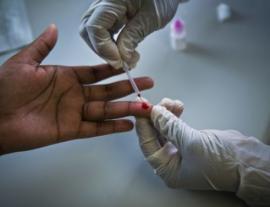
World TB Day is a call to everyone to take charge of their health and for collective action. Anyone with a persistent cough, or who has been in contact with a person diagnosed with TB, should undergo screening and testing.
TB is not a death sentence, it is curable, however treatment must be started early and completed fully. Failure to do so can lead to multidrug resistant and extensively drug resistant TB, which is far more difficult, costly, and life threatening to treat.
Public health facilities across the country offer free services, including TB screening and testing, HIV counselling, and screening for non communicable diseases such as diabetes and hypertension. Utilising these services is both a personal responsibility and an act of solidarity with our communities.
Equally important is the fight against stigma and discrimination. TB thrives in silence and fear. We must say no to stigmatisation, uphold the human rights of people affected by TB, and create environments where individuals feel safe to seek care without judgement.
As we mark World TB Day 2026, let us acknowledge how far we have come, but also recognise how much remains to be done. Ending TB is not the responsibility of government alone and requires leadership at all levels, informed communities, resilient health systems, and the active participation of every citizen.
Yes, you and I can end TB. The choice to act, care, and protect each other rests with all of us.
*Naicker is Assistant Director at the Government Communication and Information System.


