


The remains of two Namibian political prisoners who died while incarcerated on Robben Island during the apartheid era were formally handed over to the Government of the Republic of Namibia at a repatriation ceremony.
The repatriation also included ancestral remains, grave goods and body casts that hold deep cultural, spiritual and historical significance for the people of Namibia.
“This is not simply the return of human remains. It is an act of restorative justice, dignity and healing, giving families and communities the opportunity to honour their ancestors on their own soil.
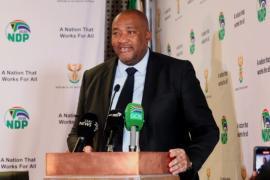
“We cannot change the past, but we can correct its injustices. We choose justice, we choose dignity, and we choose to honour those who came before us by ensuring that their memory and sacrifice are never forgotten,” said Minister of Sport, Arts and Culture Gayton McKenzie on Wednesday.
The Minister made these remarks during a significant repatriation ceremony hosted by the Department of Sport, Arts and Culture (DSAC), together with representatives of the Government of the Republic of Namibia, at the Iziko South African Museum in Cape Town.
The ceremony marked another important milestone in advancing restorative justice and confronting the enduring legacy of colonialism and apartheid in Southern Africa.
“For too many years, the remains of our freedom fighters and ancestors were kept far from the land they called home. This was an injustice to them, their families and their communities.
“By bringing these political heroes and ancestors home, representing the Ovambo, Himba, San, Nama, Damara and Herero peoples, we restore their dignity, identity and rightful place in their homeland,” McKenzie said.
The department said the handover is a deeply symbolic act of respect for the descendants and Indigenous communities affected by historical dispossession and displacement.
“It reinforces the fundamental importance of honouring ancestral heritage, preserving human dignity and ensuring that those who were denied the right to rest in their homeland are finally afforded the respect and recognition they deserve.
“Through this act of repatriation, South Africa and Namibia continue their shared journey towards confronting historical injustices, strengthening cultural ties and restoring dignity and closure to families and communities across generations.
“The department remains committed to advancing cultural restitution and repatriation as important instruments of restorative justice, nation-building and social cohesion,” the department said. -SAnews.gov.za


