


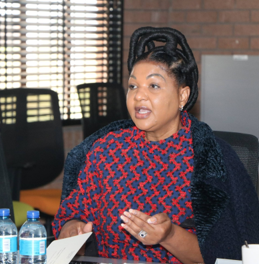
Bernice Swarts
As South Africa continues to face the challenges of climate change, environmental degradation, pollution and biodiversity loss, our 2026/27 Budget is about more than financial allocations. Our 2026/27 Budget Vote – tabled recently in Parliament - is about improving people's lives, creating opportunities, protecting livelihoods and building a more sustainable future for all South Africans.
Economic opportunities for women through forestry transformation
The transformation of the forestry sector remains one of the department's strategic priorities. Through the Forestry Sector Master Plan and the Community Forestry Agreement Model, we are expanding access to forestry resources and unlocking meaningful socio-economic opportunities, particularly for women, youth and persons with disabilities.
In the 2025/26 financial year, eight Community Forestry Agreements were concluded in the Eastern Cape, covering Hamburg, Manina Blocks H and J, Manina Block K, Mthintloni, Ngcobo, Nkobongo, Xhorana and Zikhova. During the 2026/27 financial year, a further eight plantations will be transferred to communities.
We are confident that these community-owned plantations will create jobs, stimulate small businesses and strengthen rural livelihoods, especially for women and young people. We remain committed to ensuring broad participation and inclusivity throughout the programme.
The department is also engaging private sector partners to provide financial support for this important initiative. Through our outreach programmes, we will continue to raise awareness of these opportunities and encourage more young women to pursue careers in forestry.
Presidential One Billion Trees programme
Government plans to plant 10 million trees on Heritage Day, 24 September 2026, as part of President Cyril Ramaphosa's Presidential One Billion Trees Programme. Led by the Department of Forestry, Fisheries and the Environment, the programme seeks to mobilise all South Africans, including government, business, faith-based organisations, traditional leaders, diplomatic missions, NGOs, youth formations and communities, to participate in the fight against climate change.
Trees will be planted in safe spaces across all nine provinces, including schools, clinics, hospitals, colleges, police stations, churches, parks and residential areas. We also encourage households to plant trees in their own yards.
This ambitious target builds on the success of the 2025 One Million Trees Campaign. On 24 September 2025, South Africans planted 1.3 million trees in a single day, exceeding the target of one million trees. Importantly, this achievement came at no cost to government, as citizens, businesses and organisations donated and planted the trees themselves.
This achievement demonstrated the power of collective action and the willingness of South Africans to contribute to environmental protection and climate action. I dedicate this achievement to all those who contributed their resources, time and effort to make it possible.
Tackling veld fires
Climate change is increasing the frequency and intensity of veld fires across South Africa. To address this challenge, we are strengthening integrated fire management systems and supporting Forestry Protection Associations with the resources and capacity they need.
Improved collaboration between Forestry Protection Associations, Working on Fire teams and disaster management centres is helping to build a more coordinated national response to wildfire risks.
The Working on Fire Programme will also create more than 4 000 Expanded Public Works Programme (EPWP) job opportunities during the current financial year. This demonstrates how environmental programmes can create employment while strengthening climate resilience.
Improving waste management
The fight against pollution remains a key priority. Waste management challenges continue to affect communities across the country, impacting public health, environmental quality and economic development.
Through stronger partnerships with municipalities and the South African Local Government Association (SALGA), we are supporting local government to improve waste management services, reduce pollution and expand recycling initiatives.
Particular attention is being given to electronic waste (e-waste), one of the fastest-growing waste streams globally. South Africa generates more than 360 000 tonnes of e-waste annually, yet only a small portion is recycled through formal systems. The prohibition of e-waste disposal to landfill, together with the implementation of Extended Producer Responsibility (EPR) Regulations, reflects government's commitment to diverting this waste stream towards reuse, recycling and recovery.
Over the past two financial years, the department has implemented an e-waste programme and hosted community izimbizo to raise awareness about the health and environmental risks associated with electronic waste. These initiatives were undertaken in partnership with Producer Responsibility Organisations (PROs), which purchased e-waste items directly from community members.
These efforts are already showing positive results. More than 86 tonnes of electronic waste have been collected through community initiatives, with financial incentives paid directly to participating residents. This demonstrates that environmental protection and economic empowerment can go hand in hand.
At the same time, we continue to advance the circular economy through Extended Producer Responsibility measures, ensuring that producers take greater responsibility for the environmental impact of their products throughout their lifecycle. The principle that the polluter must pay is becoming a practical reality.
Combating land degradation and desertification
Land degradation and desertification continue to threaten food security, biodiversity and rural livelihoods. Climate change, droughts, floods and unsustainable land-use practices place increasing pressure on productive landscapes and agricultural activities.
Through the National Action Programme to Combat Desertification, Land Degradation and Drought, we are bringing together government, scientists, farmers, communities and the private sector to restore degraded land and improve resilience.
During this financial year, we will strengthen these efforts through the development of an Integrated Restoration Programme that will coordinate restoration activities across government and maximise both environmental and socio-economic benefits.
Strengthening our environmental entities
The South African Weather Service (SAWS) continues to play a critical role in protecting lives, property and economic activity through its early warning systems. South Africa's leadership in launching a National Early Warning Roadmap under the United Nations' Early Warnings for All initiative reflects our commitment to ensuring that communities receive timely information that can save lives and reduce disaster risks.
The South African Forestry Company (SAFCOL) also remains an important partner in advancing sustainable development. Through sound governance, responsible forest management and investments in technology and infrastructure, SAFCOL continues to support job creation, enterprise development and community upliftment.
While challenges such as ageing infrastructure and timber theft remain, the company is implementing practical measures to improve efficiency and ensure the long-term sustainability of the forestry sector.
Conclusion
Our 2026/27 Budget reflects our department’s contribution to building a greener, more inclusive and more resilient South Africa. It recognises the link between environmental sustainability, economic growth and social wellbeing.
Through this Budget, our Department calls on all South Africans to work with us to restore our ecosystems, create green jobs, strengthen climate resilience and ensure that future generations inherit a healthier, greener and more sustainable country.
*Swarts is the Deputy Minister of Forestry, Fisheries and the Environment


