


Government has introduced an incentive grant that will unlock R100 billion investment to encourage metropolitan municipalities to deliver reliable water, electricity, sanitation and refuse removal services.
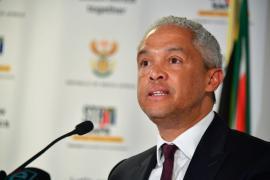
“Over the past decade, we have witnessed the steady erosion of municipal capabilities in many parts of the country: infrastructure failures, unreliable services, financial stress, and declining public confidence,” National Treasury Director-General Dr Duncan Pieterse said on Wednesday in Pretoria.
In an effort to restore the cities ability to deliver services effectively, the National Treasury has introduced a comprehensive package of local government reforms for South Africa’s eight largest cities.
The Metro Trading Services Reform is targeted at stabilising and strengthening service delivery through implementing interventions to stabilise municipal governance and strengthen financial management.
The reforms include legislative changes, stronger enforcement of funded budgets and financial recovery plans.
They also include targeted investments in municipal infrastructure and smart metering, and new approaches to ensure that public funds are matched to credible delivery.
“The Metro Trading Service Reform targets a specific problem. Many of our cities are failing to provide services or to collect revenue adequately. Even when they do, the revenue they collect goes into the general municipal pot instead of being invested to maintain and upgrade infrastructure.
“As a result, the water leaks, the lights go out, the rubbish piles up. Bankers will not lend, and investors will not invest.
“The Metro Trading Service Reform aims to ensure those services are run like integrated businesses. It creates a single unit of management accountability to deliver core trading services. It will ringfence the revenues and reinvest them in those services,” Pieterse explained.
When the budget was tabled in February, National Treasury included a new proposal: where municipal capacity to spend becomes a problem, instead of the funds being lost, they will be transferred to entities such as the Development Bank of South Africa and Municipal Infrastructure Support Agent, to ensure the spending takes place in that municipality to benefit the residents who live there.
“National Treasury has worked closely with the cities and with departments across government to design the reform, including the Department of Cooperative Governance. And instead of penalising metros that don’t implement it, we will incentivise those who do.
“Government will mobilise R54 billion in performance-linked incentives, with R27.7 billion allocated over the medium term, to restore the operational and financial sustainability of metro trading services,” Pieterse said.
To access the incentives, metros will have to meet the performance targets they have set for themselves in the Performance Improvement Action Plans they have developed for each of the trading services: water, electricity and solid waste services.
The Metro Trading Services Reform aligns with Operation Vulindlela, which focuses on implementing structural reform priorities to remove constraints to economic growth.
“The health of the cities is closely linked with the fate of our national economy. It is in the cities that the bulk of South Africa’s population is concentrated and the bulk of its economic activity takes place.
“Our cities are the engines of national economic growth, inclusion and innovation. Those of you who have visited some of the other major cities around the world will know how these cities drive economic activity in those regions. If our cities do not work, South Africa cannot grow,” he said.
The Metro Trading Services Reform programme is a national government initiative, endorsed by Cabinet, and one of the government’s priority programmes to support economic development and improve social outcomes during the current administration.
National Treasury has introduced a performance-based grant that creates an incentive for the eight metropolitan municipalities to turn around the long-term decline in the provision of three municipal trading services: electricity, water and wastewater, and solid waste management.
Participation in the incentive programme is voluntary. - SAnews.gov.za


