


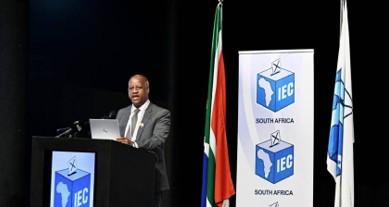
KwaZulu-Natal Premier Thamsanqa Ntuli has called on political parties and candidates to uphold peace, tolerance and responsible political conduct as the country moves closer to the 2026 Local Government Elections.
Ntuli delivered an address at the KwaZulu-Natal Provincial Electoral Code of Conduct signing and ballot draw, hosted by the Electoral Commission of South Africa at the Olive Convention Centre in Durban on Tuesday.
The ceremony marked an important milestone on the road to the 4 November 2026 Local Government Elections, providing political contestants with an opportunity to publicly commit themselves to peaceful, ethical and fair electoral competition.
The Premier said elections are important to South Africa’s democratic system and provide citizens with an opportunity to exercise their right to choose leaders who will govern closest to their communities.
Ntuli reflected on South Africa’s democratic journey and warned that political assassinations and violence involving public representatives remain deeply concerning.
He said the establishment of structures, such as the Political Killings Task Team, demonstrates the weight of the challenge confronting the country’s democratic project.
The Premier urged political parties and individual contestants to recognise their responsibility to ensure that electoral competition remains orderly and peaceful.
“Political parties and individual politicians, however, as they seek to be chosen by the electorate, owe the country an orderly and peaceful contest,” Ntuli said.
He emphasised that adherence to the Electoral Code of Conduct represents more than legal compliance but constitutes a public commitment by political contestants to conduct themselves responsibly throughout the election period.
The Electoral Code of Conduct aims to promote conditions conducive to free and fair elections, including political tolerance, freedom to campaign and open public debate.
Ntuli also warned against political rhetoric or conduct that may contribute to violence, stressing the responsibility of political leadership to promote restraint and peaceful democratic competition.
He said State institutions, including the Electoral Commission and the Department of Cooperative Governance and Traditional Affairs, also carried an obligation to create an environment in which voters could exercise their democratic choices freely. – SAnews.gov.za


