


The second phase of Operation Vulindlela, launched by President Cyril Ramaphosa today, will not only prioritise new areas for implementation but also deepen the implementation of current reforms.
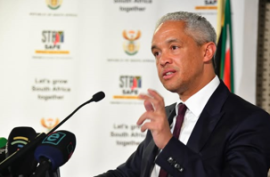
This is according to National Treasury Director-General (DG), Dr Duncan Pieterse, who addressed the technical briefing on the second phase in Pretoria on Wednesday.
Operation Vulindlela (OV) was launched in 2022 and is spearheaded by the Presidency and National Treasury. It is aimed at driving the implementation of reforms to achieve rapid and inclusive economic growth.
Pieterse said the first phase of OV has laid the foundation for “stronger performance over the medium-term”.
“Phase two… builds on this momentum, with an emphasis on deepening the implementation of existing reforms, including alleviating load shedding, improving the performance of logistic system, reducing the cost of data, improving our water supply, and enabling the country to attract the skills, it desperately needs.
“We have consistently said that we believe South Africa’s growth problem is structural, not cyclical. And an important feature of the OV reform agenda is that it targets the underlying structural constraints to growth and therefore aims to raise our potential growth rate as a country. As a result, the economic impact of the implementation of these reforms become visible over time, rather than the immediate,” Pieterse said.
Pieterse described the three additional areas as critical for inclusive and sustained growth.
These, he said, will target “longstanding and emerging constraints on economic growth and the new reform areas that matter for inclusion, resilience, and spatial equity”.
“[The new areas] include strengthening the effectiveness of local government service delivery - especially metros - leveraging digital public infrastructure to modernise state capabilities and unlock economic participation and finally, driving urban densification and spatial integration to reduce transport costs and connect people with opportunity,” he said.
The DG added that phase two’s success will not only depend on what is done but “how we do it”.
“We are building on the lessons of phase one and embedding clear theories of change for each reform area, setting measurable targets and ensuring that coordination mechanisms, such as the sectoral task teams and energy and logistics, are fit for purpose.
“Crucially, we will also expand access to technical expertise, both within and beyond government and adopt more dynamic approach to managing reform execution risks,” Pieterse added.
He highlighted that one of the challenges is executing the reforms at scale.
“We need to mobilise the full capacity of the state, crowding the private sector, and create conditions for markets to work more effectively. This means creating an enabling environment for investments into key sectors of the economy.
“And of course, the relevant departments or the reform implementers are critical in this regard as the problem solvers,” the DG said.
Pieterse noted that the Budget, which is set to be tabled later this month, will correlate with Operation Vulindlela’s agenda.
“From the Treasury side, we are enhancing our fiscal instruments and guarantee frameworks to enable blended finance, particularly in sectors like transmission, freight trail, and water. And in addition, we will ensure that the budget that the minister will table later this month will speak to the priorities outlined here today.
“Ultimately, Operation Vulindlela is about building and reenforcing credibility. Credibility that the government can deliver on its reform agenda, credibility that institutions can work together effectively and that reform commitments can translate into real progress in the form of jobs, infrastructure, delivery and a more resilient economy,” Pieterse said. – SAnews.gov.za


