


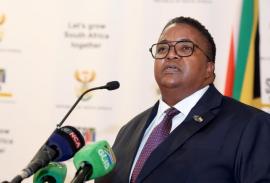
Deputy Minister in the Presidency for Women, Youth and Persons with Disabilities Steve Letsike has called for a youth development system that gives young people opportunities to recover from setbacks and re-enter education, employment and the economy.
Letsike was speaking at the launch of the Take 2 campaign at the Orange Farm Multipurpose Centre in Gauteng on Tuesday.
The Take 2 campaign is a localised social and behaviour change initiative empowering adolescent girls and young women aged 15 – 24.
The campaign brings together HIV testing, family planning, counselling, mentorship, entrepreneurship, self-care and hygiene support to help young women make informed and empowered lifestyle choices.
Letsike emphasised the need to address the barriers that prevent young people, particularly adolescent girls and young women, from accessing healthcare, education and economic opportunities.
She said the initiative presents an opportunity to address the “inequality of second chances”, where young people from disadvantaged backgrounds often have fewer opportunities to recover from setbacks, compared to those with access to financial and social support.
“Beginning again should not be a privilege available only to those who can afford it,” Letsike said.
She said the Constitution’s commitment to human dignity, equality and freedom must translate into tangible improvements in young people’s everyday lives, including their ability to make informed decisions about their bodies and reproductive health.
Letsike also highlighted what she calls “option poverty”, which refers not only to a lack of financial resources but also to the absence of meaningful choices.
“For many young people, choice is constrained long before a decision is ever made. A young woman may know that contraception is available, but still not feel able to negotiate its use safely,” Letsike said.
The Deputy Minister noted that transport costs, limited access to reliable information, economic dependence, gender-based violence and inaccessible services continue to restrict young people’s ability to exercise their rights and make decisions about their futures.
She also warned against placing the responsibility solely on young people to make better choices, saying meaningful choice requires access to knowledge, safe and accessible services, freedom from coercion and an environment free from stigma and discrimination.
Letsike said sexual and reproductive health, particularly for adolescent girls and young women, should be addressed alongside economic empowerment, education, gender-based violence and broader social circumstances affecting their lives.
“Government may have separate departments, separate budgets and separate programmes, but a young woman does not live a departmental life. She lives one life.”
She called for a more integrated approach to service delivery, ensuring that young people who experience violence, leave school, seek employment or live with disabilities are not excluded from the support and opportunities they need.
Letsike emphasised that youth development programmes should be measured not only by the number of young people enrolled, but also by whether they complete their programmes and successfully transition into further education, employment, or entrepreneurship.
She also stressed the importance of creating opportunities for young people to return to education and training, acquire new skills and re-enter the labour market when they experience interruptions in their personal or professional lives.
“Youth development must have no dead ends,” she said, calling on government, healthcare institutions, educational institutions, employers and communities to reassess how their services and systems respond to young people’s needs.
Letsike said government needs to ensure that public services are accessible, respectful and responsive, while schools, colleges and universities should provide pathways for learners whose education have been interrupted.
She also urged employers to reconsider the demand for prior work experience when young people were still seeking opportunities to gain the necessary skills and exposure.
Communities, Letsike said, have a responsibility to challenge social norms that condone violence, stigmatise young mothers, restrict girls’ choices and exclude persons with disabilities.
Welcoming the integrated service provision and experiential zones included in the Take 2 launch, Letsike said partnerships are meaningful when they help to bring services closer to young people.
She commended Tiko South Africa and its partners for involving young people in the initiative, emphasising that adolescent girls and young women should participate in designing solutions that affect their lives.
“The voices of adolescent girls and young women matter. We should not be designing solutions for young people in rooms from which young people themselves are absent,” Letsike said. – SAnews.gov.za


