


The future of transport and logistics in KwaZulu-Natal took centre stage at the Transport Indaba, with government, industry experts and policymakers exploring measures to strengthen the province’s position as a major trade and logistics gateway.
The two-day Indaba, held at the Inkosi Albert Luthuli International Convention Centre on 1 and 2 October 2026, focused on practical solutions to strengthen freight, aviation, rail, maritime and road transport, while improving connectivity and supporting economic growth.
The indaba forms part of the implementation of a 10-point plan announced during the budget presentation by Transport and Human Settlements MEC Siboniso Duma.
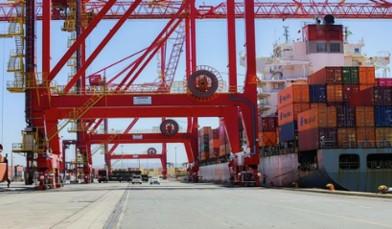
Delivering the opening address, Transport Minister Barbara Creecy highlighted the strategic importance of KwaZulu-Natal as South Africa's primary gateway to sub-Saharan Africa.
"The province's ports of Durban and Richards Bay handle millions of tons of cargo annually, connecting local producers with global markets and supporting key economic sectors including manufacturing, automotive exports and imports, mining, and agriculture," Creecy said.
KwaZulu-Natal’s extensive transport infrastructure, including the N2 and N3 corridors, rail network, King Shaka International Airport and Dube TradePort, continues to position KwaZulu-Natal as a leading logistics and trade hub.
KwaZulu-Natal Transport and Human Settlements MEC, Siboniso Duma, said the Indaba represents a significant milestone in shaping the future of mobility and logistics in the province.
“Through discussions on freight, aviation, and multimodal integration, our panellists are exploring resilient transport networks and strategic transport corridors that will strengthen KwaZulu-Natal’s economy and connectivity,” Duma said.
A key focus of the discussions was strengthening the rail network and shifting more freight from road to rail to ease congestion, improve road safety and increase the efficiency of major freight corridors.
Stakeholders received updates from Transnet Rail Infrastructure and the National Department of Transport on rail reform initiatives and the proposed rolling stock Leasing Company (LeaseCo), aimed at modernising freight operations, attracting private investment, and expanding participation in rail services.
The shift from road to rail is expected to significantly reduce congestion and improve safety on major freight corridors such as the N3 and N2. A single heavy-haul coal train can transport between 13 000 and 17 000 tonnes of cargo, replacing approximately 300 to 425 trucks on the province's roads.
The Indaba also examined aviation, maritime transport, road infrastructure, and innovative funding models required to develop and maintain the province’s transport infrastructure.
The eThekwini Mayor, Cyril Xaba, said the gathering provided an opportunity to move beyond identifying challenges towards implementing practical solutions.
“Under the theme: ‘The Gateway for Smart Mobility’, we have gathered to reaffirm our collective commitment to building an integrated, reliable, and dignified transport system.
“There is no better way to address transport and logistics challenges than by bringing together the brightest minds from across sectors. This Indaba must move us from dialogue to delivery,” Xaba said.
Xaba also highlighted the municipality’s recently unveiled roadmap for GO! Durban, which aims to transform public transport and support a more connected, inclusive, and economically competitive city.
The eThekwini Municipality reaffirmed its commitment to work with all transport stakeholders to drive innovation, improve mobility, and strengthen the province's position as a world-class logistics gateway. – SAnews.gov.za


