


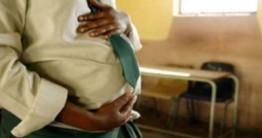
The Department of Women, Youth and Persons with Disabilities has called for a collaborative effort to end the scourge of teenage pregnancy in South Africa, where approximately 30% of teenagers report having been pregnant at some point.
“While this number has decreased over the past few years, it is still unacceptably high. Teenage pregnancy is a serious public issue and social problem, with 95% occurring in developing countries,” the department said in a statement on Wednesday.
The department emphasised that teenage pregnancy is not a challenge that can be addressed by only one government department, but it requires a collective effort with all stakeholders playing their critical roles.
“There is a need for interventions in the health, education, and social development sectors to lower the prevalence of teenage pregnancy in South Africa. [These should focus on] intensifying health education, particularly sexual and reproductive health, which include the benefits of delaying sexual activity until readiness, consistent and correct contraception use like condoms, or birth control available freely in public health facilities,” the department said.
The department also acknowledged that several factors contribute to teenage pregnancy, including cultural traditions, socio-cultural dynamics, and religious influences.
The department added that low socio-economic status, restricted educational opportunities, and premature sexual activity can perpetuate the incidence of teenage pregnancy.
“Teenage pregnancy in SA is a real issue and has been increasing in all provinces each year [with] higher rates in rural provinces, such as Limpopo, Mpumalanga and Eastern Cape, [compared to] urban provinces, such as Gauteng and Western Cape.”
The department warned that teenage pregnancy often perpetuates a cycle of poverty, particularly in households where there are no family support structures to care for children, thereby hindering young mothers from continuing their education.
“Families and communities need to join hands with government authorities and play their role by creating a conducive environment for open and honest discussion about sex education, together with the dangers associated with teen pregnancy,” the department said. – SAnews.gov.za


