


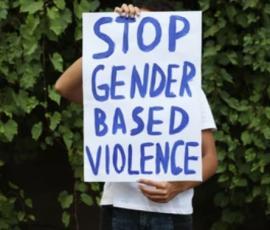
Three Chapter 9 institutions have announced a joint National Inquiry into South Africa's criminal justice system response to Gender-Based Violence and Femicide (GBVF), with the first phase focusing on survivors' experiences and the functioning of the justice system before cases go to trial.
The Commission for Gender Equality (CGE), the South African Human Rights Commission (SAHRC) and the Commission for the Promotion and Protection of the Rights of Cultural, Religious and Linguistic Communities (CRL Rights Commission) said the inquiry seeks to identify systemic weaknesses in the reporting, investigation and victim support processes, while developing recommendations to strengthen accountability and access to justice.
In a statement, the commissions said South Africa continues to face a severe GBVF crisis despite legislative reforms, policy interventions and institutional efforts to combat violence against women and vulnerable groups.
According to the commissions, survivors continue to experience obstacles in accessing protection, support services and justice, while concerns remain over delays in reporting, inconsistent victim support, fragmented coordination among institutions and weaknesses in pre-trial processes.
The commissions said the inquiry forms part of the constitutional mandate of the Chapter 9 institutions to protect and promote human rights and is aligned with the National Strategic Plan on Gender-Based Violence and Femicide (NSP-GBVF), particularly Pillar 3, which aims to strengthen the criminal justice system's response.
"The inquiry will be conducted in phases. The first phase will focus on survivor testimony and lived experiences, as well as the functioning and accountability of the criminal justice system during the pre-trial stage," the commissions said.
During the first phase, the inquiry will examine survivors' experiences when reporting GBVF cases, access to protection orders, trauma-informed care and psychosocial support, as well as experiences with Thuthuzela Care Centres, hospitals, shelters and victim support services.
The commissions will also consider the experiences of children, persons with disabilities, LGBTQIA+ (Lesbian, Gay, Bisexual, Transgender, Queer/Questioning, Intersex, and Asexual) persons, migrants and other vulnerable groups, including cases where family members must participate because survivors are deceased or unable to testify.
The inquiry will further assess police responses to GBVF complaints, the quality and timeliness of investigations, the handling of forensic evidence, communication with survivors, case docket management, prosecutorial decision-making, case withdrawals, bail processes and coordination among the South African Police Service, the National Prosecuting Authority, the courts and other support services.
The commissions have invited written and oral submissions from GBVF survivors, families, civil society organisations, non-governmental organisations, community-based organisations, researchers, academics, legal practitioners, service providers, and members of the public with relevant information.
They are particularly seeking evidence relating to survivor support services, policing and reporting experiences, forensic investigations, healthcare responses, shelters, child protection, support for persons with disabilities and marginalised groups, barriers to accessing justice, and recommendations to improve the criminal justice system.
"The inquiry seeks evidence-based submissions that can assist in identifying systemic challenges and developing practical recommendations to strengthen South Africa's response to GBVF," the commissions said.
Submissions must include the issues being addressed, the submitter's contact details, the nature of the submission and any supporting evidence where available. Requests for confidentiality will be considered where necessary because of the sensitive nature of the information.
Submissions should be directed to: Mr Tsietsi Shuping, Head of Legal Department Commission for Gender Equality at Tsietsi@cge.org.za and Advocate Afika Nqeto, Acting Senior Legal Officer, South African Human Rights Commission at ANqeto@sahrc.org.za and Advocate Sphezulu Zulu Manager: Investigation & Conflict Resolution Unit CRL Rights Commission at Sphezulu@crlcommission.org.za
The closing date for submissions is 3 August 2026.
The commissions said details of public hearings, venues and participation arrangements will be announced in due course, with selected individuals and organisations expected to present oral evidence during the inquiry. – SAnews.gov.za


