


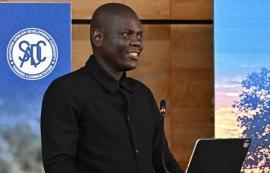
Foreign Affairs Ministers from across the Southern African Development Community (SADC) have gathered at Skukuza in the iconic Kruger National Park for a high-level retreat aimed at crafting a coordinated regional response to mounting geopolitical and economic pressures affecting Southern Africa.
Hosted by South Africa through the Department of International Relations and Cooperation (DIRCO), the retreat comes as the region grapples with the far-reaching effects of global conflicts, energy insecurity, food price shocks and migration challenges.
South Africa is convening the meeting in its capacity as interim Chair of SADC, with International Relations and Cooperation Minister Ronald Lamola chairing the retreat as head of the SADC Council of Ministers.
Set against the backdrop of the world-renowned wildlife reserve, the retreat reflects the region’s intention to step away from formal diplomatic settings to engage in strategic reflection on the shifting global order and its implications for Southern Africa’s future.
Speaking ahead of the official opening of the retreat on Thursday, Lamola said the region could no longer afford to respond to global crises in isolation, particularly as geopolitical conflicts increasingly affect the daily lives of ordinary citizens across Southern Africa.
“This is a very significant engagement of SADC foreign ministers. As we have already said, the impact of geopolitics affects all countries, even countries far away from where the conflict is happening,” Lamola said.
He pointed to the ongoing conflict involving Iran and instability around the Strait of Hormuz as key concerns for the region, warning that disruptions in global energy and supply chains continue to drive up the cost of living.
“You will remember the first conflict that had a huge impact on petrol, on grain fertilizer was the Ukraine conflict, and now the conflict in Iran, the Strait of Hormuz, which affects a lot of the African continent, particularly on oil, energy, the impact into the price of food and everything that we do on our daily lives, including fertilizer that goes through that Strait,” he said.
Lamola said the retreat was born out of a collective realisation by SADC ministers that member states were facing similar pressures and needed a united response.
“When you are alone in South Africa, someone alone in Zimbabwe, someone alone in Malawi, you think that you are the only one affected. When all of us are significantly impacted the same way, we can pull our heads together, including our resources together to respond to this challenge,” he said.
The Minister highlighted the importance of regional cooperation in energy production and resource-sharing, citing Angola’s oil production capacity, Mozambique’s gas reserves and South Africa’s coal-to-fuel capabilities through Sasol as examples of opportunities for collaboration.
“How do the southern countries work together to respond to this with the resources that we have? How do we support each other to be able to respond to this, including the issues of fertilizer, including the issues related to the impact of this on the food prices, and so forth?” he said.
Discussions at the retreat continue on Saturday, with ministers and experts expected to engage in a series of high-level panel sessions focusing on the impact of global geopolitical developments on the SADC region.
The programme will begin with reflections by Foreign Affairs Ministers on evolving geopolitical developments, followed by a presentation by the SADC Secretariat on the regional impact of global tensions.
Key thematic discussions scheduled for the day include financing regional integration, investment, public debt management and domestic revenue mobilisation.
Trade, Industry and Competition Minister Parks Tau is expected to participate virtually in discussions on industrialisation, value chains and trade alongside Zimbabwe’s Foreign Affairs Minister Amon Murwira and SADC trade experts.
Infrastructure, transport and logistics, as well as the free movement of people, goods and services, will also come under discussion, with participation from SADC infrastructure officials and representatives from AUDA-NEPAD.
Energy security is expected to feature prominently, with South African Mineral and Petroleum Resources Minister Gwede Mantashe, Zimbabwe’s Mines Minister Polite Kambamura and Angola’s Mineral Resources, Petroleum and Gas Minister Diamantino Azevedo set to participate in discussions on oil, gas and mineral resources.
The day will conclude with a panel on agriculture, supply chains and food security, amid growing regional concerns over rising input costs, fertilizer access and climate-related pressures on food systems. – SAnews.gov.za


