


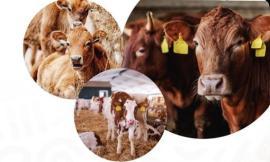
While the KwaZulu-Natal Provincial Government has made significant progress in containing the spread of Foot-and-Mouth Disease (FMD) in affected areas, non-compliance by some commercial farmers continues to undermine control efforts.
Speaking to SAnews on the sidelines of the national Foot and Mouth Disease Indaba, currently underway at the ARC-VIMP Campus in Roodeplaat, northeast of Pretoria, KwaZulu-Natal Agriculture and Rural Development Chief Director for Veterinary Services, Dr Themba Sikhakhane, said the province is on course in managing the outbreak.
“We have made great strides, especially in communal areas like Newcastle in the Amajuba District, where the initial outbreak occurred. There, we have vaccinated over 600 000 animals,” said Sikhakhane.
However, Sikhakhane expressed concern over the conduct of some commercial farmers, who hide their animals after seeing symptoms of FMD, and move them.
“When they [commercial farmers] see clear symptoms of FMD, they hide the animals, which is impossible to do because your neighbour and everyone will see it. We strongly believe that this is the reason we find feedlot that have animals coming up late on their management with the symptoms,” Sikhakhane told SAnews.
He added that effective containment will require active cooperation from the beef industry and farmer organisations, particularly in addressing these practices.
Hotspots and disease transmission
Sikhakhane said the Amajuba and uMzinyathi Districts remain the most affected by the outbreak, with recent cases also detected in one or two dairy operations.
He said investigations are underway to determine how the disease reached these facilities.
“We know FMD is spread by people [and] in communal areas, it is often due to lack of fencing and free movement of unvaccinated livestock. We know the permanent FMD sources around Hluhluwe Game Reserve and other smaller reserves, where animals test positive,” Sikhakhane said.
The department is expanding its containment measures, including the deployment of dip tank dip facilities.
Sikhakhane confirmed that 14 dip tanks will be completed this week in the King Cetshwayo District, with work beginning next week in Mtubatuba and Nongoma municipalities, where 76 additional dip tanks are planned.
“It is in control, only if we can get assistance from red meat producers to contain the spread with the commercial farmers. Our farmers in communal setup are cooperating, we just need these few commercial farmers to work with government and stop this problem,” Sikhakhane said.
Held under the theme: “Building a Resilient System to Fight FMD,” the FMD Indaba comes at a time when South Africa is grappling with widespread outbreaks across several provinces, including KwaZulu-Natal, Mpumalanga, Gauteng, and most recently, the Free State.
Agriculture Minister John Steenhuisen, alongside Deputy Minister Nokuzola Capa, is leading the national effort in collaboration with the Agricultural Research Council (ARC).
The Indaba has drawn participation from provincial leaders, including Free State MEC for Agriculture, Rural Development and Environmental Affairs Elizabeth Cornelia Rockman, KZN Agriculture and Rural Development MEC Thembeni kaMadlopha-Mthethwa, and Limpopo Agriculture and Rural Development MEC Nakedi Sibanda-Kekana.
Maintaining FMD-free zones
In his opening address, Steenhuisen emphasised the need to confront the infrastructure deficit in the country's protection zones.
He underscored the urgent need to address infrastructure gaps within the country’s FMD protection zones.
“As long as animals are forced to be moved illegally because of the absence of local abattoirs or feedlots, we will never be able to enforce movement control effectively,” the Minister said.
He stressed that the issue extends beyond veterinary science,
“This is not just a veterinary issue; it is a spatial planning and rural development issue. That is why we will be earmarking funds in this fiscal year to support the establishment of feedlots and abattoirs within the protection zones, particularly in Limpopo, KwaZulu-Natal, and Mpumalanga.
“These facilities will provide alternatives to illicit trade. They will create rural jobs. Furthermore, they will help us enforce the very measures we need to maintain our FMD-free zones,” the Minister said – SAnews.gov.za


