
By David Jacobs
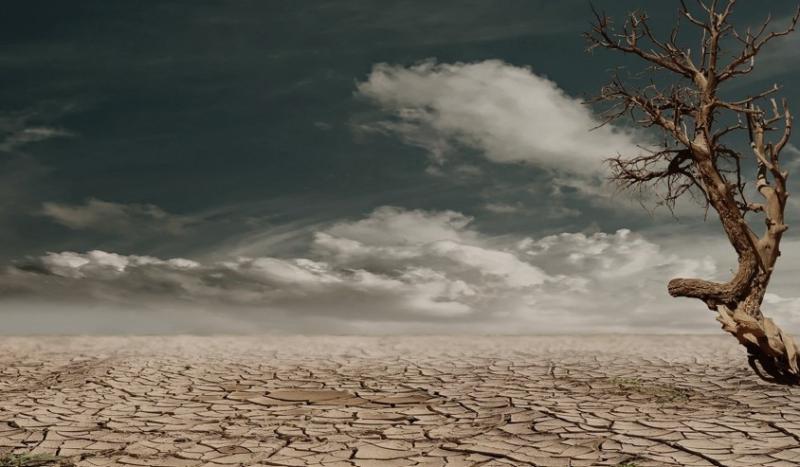
South Africa needs to join forces to navigate the current El Niño crisis and protect one of our most precious resources: water. As the country prepares for a summer season that could bring below-normal rainfall and higher temperatures, the responsibility to secure reliable water supplies cannot rest with government alone.
It requires a concerted effort by municipalities, businesses, the agricultural sector, communities and every water user to manage this scarce resource responsibly.
Water is essential to life, food security, economic activity and the delivery of basic services. Yet, as a naturally water-scarce country, South Africa faces the added challenge of managing its limited water resources amid changing weather patterns, climate change and growing demand. The anticipated El Niño conditions serve as a reminder that our ability to withstand periods of drought depends not only on rainfall, but also on how effectively we prepare, manage and conserve the water available to us.
South Africa has long been considered one of the 30 driest countries in the world, with average annual rainfall approximately 40% below the global average, making it a naturally water-scarce country.
According to forecasts by the South African Weather Service, El Niño is expected to influence weather conditions during the 2026/27 summer season, bringing the risk of higher temperatures and below-normal rainfall. These conditions could place additional pressure on the country’s already stretched water resources, underscoring the urgent need for collective action to conserve water and prepare for potential shortages.
It is commendable that government, through the Department of Water and Sanitation (DWS), is adopting a risk-based approach to identify, assess and manage the potential impact of the anticipated El Niño conditions on water resources and services. Preparations include engagements with key stakeholders such as the agricultural sector, water boards, Catchment Management Agencies and the National Disaster Management Centre. These engagements are aimed at improving coordination, strengthening preparedness and identifying measures to mitigate the potential effects of drought.
Alongside preparations for El Niño, government continues to tackle water challenges affecting communities across the country. The National Water Action Plan provides a framework for improving the reliability of water services through investment in infrastructure, the completion of delayed projects and reforms to address weaknesses in municipal water management.
The National Water Access Acceleration Programme is also expanding access to safe drinking water in underserved communities through interventions such as boreholes and the rehabilitation of existing infrastructure. These efforts are essential to improving water security and ensuring that communities are better equipped to withstand periods of drought and water scarcity.
However, preparedness must extend beyond responding to the immediate risks posed by El Niño. South Africa must also address the challenges of managing existing water resources, reducing avoidable losses, and protecting critical water infrastructure from vandalism and theft. An estimated 37 to 42 % of potable water is unaccounted for. Water losses through leaks, wastage and illegal connections place additional pressure on an already scarce resource.
Municipalities must prioritise the maintenance and protection of water infrastructure and respond promptly to leaks. Communities must report incidents of vandalism to the police and other relevant authorities. Law enforcement agencies must ensure that those responsible for damaging or stealing essential infrastructure are held accountable. Communities must protect public infrastructure, report suspicious activities and work with municipalities to prevent damage to water systems.
Through these collective efforts, South Africa can reduce water losses, safeguard existing supplies and ensure that available resources reach the communities that depend on them.
How residents use water matters as well, particularly through outdoor activities such as garden irrigation and swimming pool use. Water users can help reduce this pressure by limiting unnecessary consumption, reusing water where appropriate and adopting water-wise practices in their homes, workplaces and communities. Rainwater harvesting can also supplement water needs for gardening, cleaning and other suitable non-drinking purposes. Water conservation must become a consistent practice rather than a temporary response to drought warnings.
Ultimately, securing South Africa’s water future requires all of us. The anticipated El Niño conditions present a challenge, but they also reinforce the importance of treating water security as a national priority throughout the year. Every leak repaired, every unnecessary use avoided and every water-wise practice adopted contributes to protecting this essential resource. By working together to conserve water, manage it more effectively and prepare for future climate risks, South Africans can help safeguard water supplies for current and future generations.
*Jacobs is David Jacobs is Chief Director: Cluster Communication at the Government Communication and Information System (GCIS)


